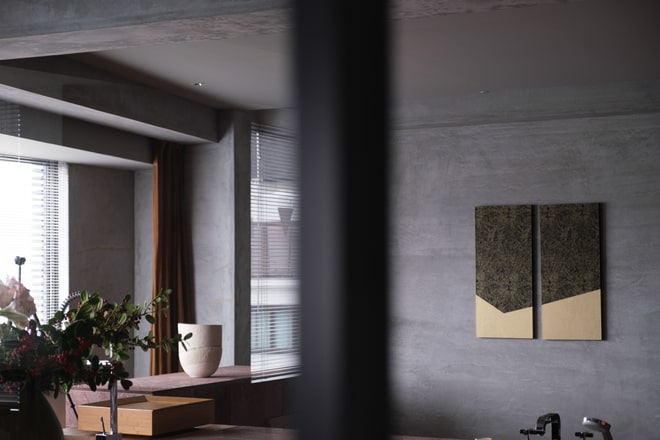
When you’re opening a new eatery, the layout, lighting, and atmosphere can make or break the guest experience. That’s why hiring the right restaurant architects near me is crucial. A skilled architect turns a raw space into a revenue‑generating brand hub.
This guide dives deep into what to look for, how to evaluate portfolios, and the best ways to match your vision with a design partner. By the end, you’ll feel confident navigating the local market and securing a team that delivers innovation, functionality, and a touch of artistry.
Why You Need a Specialized Restaurant Architect
Industry‑Specific Knowledge
Restaurant architects possess an intimate understanding of kitchen codes, HVAC requirements, and food safety regulations. They can translate complex standards into practical design solutions.
Unlike generalist architects, they balance aesthetics with compliance, ensuring every plate served passes safety checks.
Maximizing Footprint Efficiency
Space is a premium commodity in dining venues. A seasoned professional optimizes layout to reduce service time and increase seating capacity without sacrificing comfort.
They skillfully place prep zones, bar areas, and seating blocks to streamline staff workflow.
Brand Storytelling Through Design
Architecture is a silent storyteller. A well‑crafted interior communicates your cuisine’s identity, from rustic farm-to-table to sleek urban bistro.
Design choices—materials, lighting, color palette—reinforce brand values and attract target clientele.
How to Spot the Right “Restaurant Architects Near Me” Talent
Check Their Portfolio Breadth
Look for a mix of fast‑food chains, upscale restaurants, and concept pop‑ups. A broad portfolio signals adaptability.
Review before/after images to gauge transformative impact.
Assess Experience with Food Service Codes
Ask candidates for references from recent projects that involved complex regulatory hurdles.
Verify their familiarity with local health department guidelines and fire safety standards.
Evaluate Collaboration Skills
Design is iterative. A responsive architect listens to chefs, managers, and investors, turning feedback into actionable revisions.
Notice how they communicate deadlines, budgets, and progress updates.
Look for a Proven Track Record of Budget Management
Overruns can cripple a restaurant launch. Review past case studies showing cost adherence and value‑added solutions.
Ask for financial reports or ROI analyses from previous clients.

Local vs. National Firms: Which is Best for You?
Local Firms: Community Insight
Restaurants thrive on local culture. Local architects understand neighborhood demographics, permitting processes, and street aesthetics.
They often have established relationships with suppliers and construction crews, speeding up the build.
National Firms: Brand‑Consistent Design
Large firms bring standardized design kits that scale across multiple locations.
They can handle multi‑location projects and offer centralized project management.
Hybrid Approach: Outsource Core Design, Hire Local Contractors
Some owners combine a national design firm’s expertise with local contractors for on‑site execution.
Check for clear contractual delineation to avoid scope creep.
What to Expect During the Design Process
Initial Consultation & Site Survey
The architect visits the site, takes measurements, and gathers client goals.
They assess zoning, parking, and accessibility compliance.
Concept Development & Mood Boards
Visual narratives illustrate lighting, materials, and spatial flow.
Clients review and provide feedback before finalizing concepts.
Design Development & Permitting
Detailed drawings, material specifications, and cost estimates are prepared.
The architect submits plans to local authorities for approval.
Construction Administration
During construction, the architect monitors progress, resolves on‑site issues, and ensures design intent is preserved.
They conduct regular site visits and provide progress reports.
Comparison Table: Key Factors in Choosing Restaurant Architects
| Factor | Local Firm | National Firm | Hybrid Model |
|---|---|---|---|
| Understanding of Local Codes | High | Moderate | High (through local contractors) |
| Project Turnaround Time | Fast (due to proximity) | Longer (bureaucratic layers) | Moderate |
| Cost Flexibility | Variable (negotiable rates) | Fixed (tiered packages) | Best of both economies |
| Design Consistency Across Sites | Variable (unique designs) | High (standardized templates) | Moderate (balance of uniqueness and consistency) |
| Client Collaboration | High (personalized meetings) | Moderate (scheduled calls) | High (combined teams) |
Pro Tips for Working with Restaurant Architects Near Me
- Define Your Brand Persona Early
- Set a Realistic Budget and Stipulate a Change‑Order Policy
- Schedule Weekly Progress Calls with the Design Team
- Request a Detailed Cost Breakdown for Each Project Phase
- Ask for a “Design for Construction” (DFC) Package
- Ensure the Architect Uses Sustainable Materials and Practices
- Include a Dedicated “Theatrical Lighting” Consultant in the Team
- Review the Architect’s Warranty and Maintenance Agreements
Frequently Asked Questions about restaurant architects near me
What qualifications should a restaurant architect have?
A professional degree in architecture, RIBA or AIA membership, and specific experience with food service projects are essential.
How long does the design process usually take?
From concept to construction documents typically spans 8–12 weeks, depending on project complexity.
Do I need a separate interior designer?
Many restaurant architects offer interior design services, but hiring a specialist can enhance thematic detail.
Can a local architect handle multi‑location projects?
Yes, but they may collaborate with national teams or outsource standardized elements.
What are typical cost ranges per square foot?
Design fees usually range from $4–$8 per square foot, while construction administration adds 5–8% of the total construction cost.
How do architects incorporate sustainability into restaurant design?
They select energy‑efficient HVAC, LED lighting, recycled materials, and water‑saving fixtures.
What is a “design for construction” package?
It includes detailed drawings, material specs, and cost estimates ready for contractor bidding.
Can I modify the design after construction begins?
Modifications are possible but may incur cost overruns and schedule delays.
What documentation do I need for permits?
The architect provides building plans, fire safety plans, plumbing schematics, and code compliance statements.
How do I verify an architect’s reputation?
Check portfolio, client testimonials, and third‑party review sites like Houzz.
Choosing the right restaurant architects near me is a strategic decision that shapes your restaurant’s identity and operational efficiency. By evaluating experience, collaborating closely, and setting clear budgets, you can secure a design partner who turns your culinary vision into a physical, profitable reality.
Start your search today—contact a local firm, review their past projects, and ask the right questions. Your future diners will thank you for the space they’ll love.

