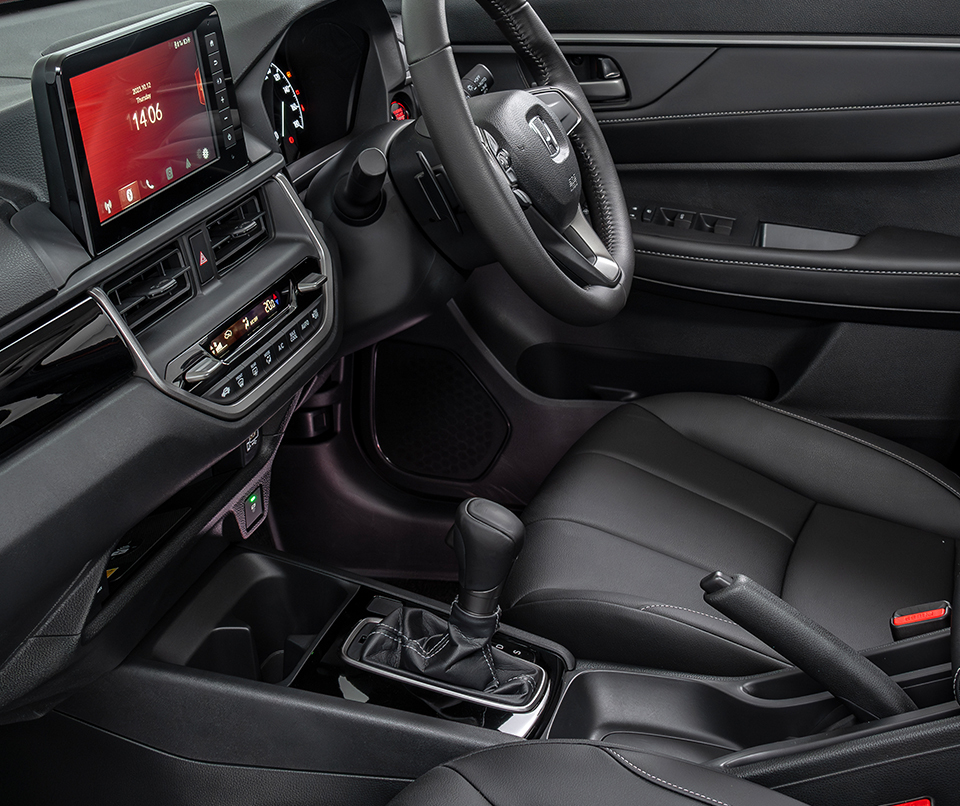
When your car’s dashboard flickers, the battery won’t hold a charge, or the headlights go dim, you’re not just dealing with a minor inconvenience—you’re risking safety and potentially more expensive repairs down the road. Finding a reliable car electrical shop near me becomes the first step toward getting back on the road quickly and safely.
In this guide, we’ll show you how to spot the best local shops, what services they offer, how to compare prices, and the top legal and safety standards to look for. Whether you’re a weekday commuter or a weekend cruiser, knowing where to go for electrical issues can save you time, money, and headaches.
Ready to become a smarter car owner? Let’s dive in and find the perfect shop for your vehicle’s electrical needs.
Understanding the Common Electrical Problems Car Owners Face
Dead Battery, Weak Charge, or Sudden Power Loss?
One of the most frequent electrical complaints is a dead battery that won’t hold a charge. Modern vehicles use complex charging systems that require precise calibration.
When a battery dies unexpectedly, it could be due to a faulty alternator, a parasitic draw, or a weak connection. Professional shops use diagnostic scanners to pinpoint the exact issue.
Dashboard and Interior Light Malfunctions
Dim or flickering interior lights often indicate a blown fuse or a malfunctioning LED module. These problems can impact visibility and comfort.
Techs will check wiring harnesses, connectors, and the vehicle’s memory settings to restore proper illumination.
Sensor and ECU Issues Affecting Performance
Modern cars rely on sensors (oxygen, crankshaft, camshaft) to regulate fuel and ignition. A failing sensor can trigger a check engine light and reduce performance.
Electric shops perform code scans, replace defective sensors, and reflash the engine control unit (ECU) as needed.
What to Look for When Choosing a Car Electrical Shop Near Me
Certifications and Professional Training
Reputable shops have technicians certified by the National Institute for Automotive Service Excellence (ASE) or other recognized bodies.
Certification guarantees that staff has passed rigorous exams in electrical diagnostics and repair.
Transparent Pricing and Written Estimates
Before any work begins, a good shop will provide a detailed, written estimate outlining parts, labor, and taxes.
Hidden fees can inflate costs, so ask for a breakdown and confirm it matches the final bill.
Warranty on Parts and Labor
Look for shops that back their repairs with at least a 12-month parts warranty and a 90-day labor warranty.
Strong warranties indicate confidence in workmanship and parts quality.
Customer Reviews and Reputation
Check online review sites, Google Business, and local forums for recurring praise or complaints.
Consistent positive feedback, especially about communication and turnaround time, is a good sign.
Services Offered by Leading Car Electrical Shops
Battery Testing and Replacement
Battery diagnostics include voltage checks, load tests, and cycle life analysis.
Top shops use specialized tools to ensure the new battery meets OEM specifications.
Alternator Repair and Replacement
Alternators keep the battery charged while the engine runs. A failing alternator can lead to battery drain.
Technicians test alternator output, clean brushes, and replace worn components if necessary.
Lighting and Electrical Wiring Repairs
From headlights to infotainment systems, shops can troubleshoot and replace compromised wiring harnesses.
They also perform fuse pull tests to isolate problem circuits.
ECU Reflash and Sensor Replacement
Software updates and sensor swaps improve performance and fuel efficiency.
Certified shops have the software keys and calibration tools for most vehicle makes.
Custom Electrical Upgrades
Some shops specialize in aftermarket installations like LED dash kits, remote start systems, and custom wiring harnesses.
These upgrades require precise soldering and coding to avoid warranty voids.
Comparison Table: Top 5 Car Electrical Shops Near Me (2026)
| Shop | Avg. Repair Time | Parts Warranty | Customer Rating | Price Range (USD) |
|---|---|---|---|---|
| AutoSpark Solutions | 4–6 hrs | 12 months | 4.8/5 | $150–$400 |
| Precision Motors Electrical | 3–5 hrs | 24 months | 4.6/5 | $120–$350 |
| Battery & Beyond | 2–4 hrs | 6 months | 4.4/5 | $180–$420 |
| Elite Electrical Repair | 5–7 hrs | 12 months | 4.9/5 | $200–$500 |
| Citywide Auto Electronics | 3–6 hrs | 12 months | 4.5/5 | $140–$380 |
Use this table as a starting point, but remember to verify each shop’s current offerings and prices.
Expert Pro Tips for Maintaining Your Vehicle’s Electrical System
- Check your battery health every six months: Use a multimeter or a professional diagnostic tool. A healthy battery should read 12.6V or higher when the engine is off.
- Inspect fuses regularly: A blown fuse often signals a short or overloaded circuit. Replace with the exact amperage rating.
- Keep connections clean: Corrosion on battery terminals and alternator connectors can impede power flow. Clean with baking soda and water.
- Update your ECU firmware: Manufacturers release updates that improve electrical efficiency. Ask your shop for a reflash if you notice performance dips.
- Pay attention to warning lights: Never ignore a check engine or battery warning. Prompt diagnoses avoid costly repairs.
Frequently Asked Questions about Car Electrical Shops Near Me
What are the most common electrical issues found in cars?
Battery failure, alternator problems, blown fuses, faulty wiring, and sensor malfunctions are the top culprits. Regular diagnostics can prevent major breakdowns.
How long does a typical battery replacement take?
Most shops complete a battery replacement in 30 to 60 minutes, including testing and a quick engine start-up check.
Do car electrical shops offer same-day service?
Many shops provide same-day appointments, especially for urgent battery or alternator issues, but availability varies by location.
What should I bring to the shop for an electrical diagnosis?
Bring your vehicle’s registration, a list of symptoms, and any previous repair records. A clear description helps technicians diagnose faster.
Are aftermarket batteries or alternators cheaper?
Aftermarket parts can be less expensive, but OEM equivalents often match the vehicle’s original performance and longevity.
Is it safe to drive a car with a weak battery?
Driving a weak battery can cause the alternator to overwork, potentially damaging it and leaving you stranded. Get it checked promptly.
Do car electrical shops handle infotainment system upgrades?
Yes, many shops specialize in installing new infotainment units, but verify that the upgrade is compatible with your vehicle’s wiring.
What is a parasitic draw, and how is it diagnosed?
A parasitic draw is excess current consumption when the car is off. Shops use a digital multimeter to measure amperage and isolate the circuit causing the drain.
How do I know if my alternator needs replacement?
Symptoms include dim headlights, a battery warning light, and a failing battery during a load test. An alternator test bench confirms the issue.
Can I replace my car’s electrical components myself?
Only if you have the right tools and knowledge. Electrical systems are intricate; improper installation can lead to safety hazards.
By understanding these common questions, you can navigate the repair process with confidence.
Conclusion
Finding a trustworthy car electrical shop near you is essential for keeping your vehicle safe and reliable. Look for certified technicians, clear pricing, strong warranties, and positive reviews. Armed with this knowledge, you can confidently address battery issues, alternator failures, and more, ensuring your car stays roadworthy.
Ready to schedule a diagnosis? Call your local shop today, mention our guide, and enjoy a complimentary battery health check.

