
Imagine walking into a corporate office and being greeted by a lush, professionally landscaped entrance that tells customers you value quality and professionalism. That first impression can make or break the success of a commercial property. If you’re searching for “commercial landscaping near me,” you’re likely looking for a reliable partner who can transform your outdoor space into a profitable asset.
In this guide, we’ll walk through everything you need to know—from choosing the right contractor to maintenance strategies that keep your property looking pristine. By the end, you’ll understand how to evaluate providers, set realistic budgets, and create a long‑term landscaping plan that drives foot traffic, improves employee morale, and enhances brand perception.
Let’s dive in and discover how the best commercial landscaping near me can become a cornerstone of your business’s success.
Choosing the Right Commercial Landscaping Provider in Your Area
Understand Your Business’s Unique Needs
Every commercial space differs. A retail store needs high‑visibility landscaping, while an office building prioritizes low‑maintenance greenery.
Start by listing priorities: low maintenance, water efficiency, or aesthetic appeal. Matching these with a provider’s expertise ensures a tailored solution.
Check Credentials and Experience
Look for certifications like Landscape Institute or local green building councils. These validate knowledge of sustainable practices.
Ask for case studies specific to your industry. A landscaper who has worked with tech campuses knows how to balance greenery with modern design.
Read Reviews and Testimonials
Google Business and Yelp offer honest customer insights. Pay attention to recurring themes—persistence, professionalism, or pricing transparency.
Contact references to ask about project timelines, budget adherence, and post‑completion support.
Request Detailed Proposals
Good contractors provide a clear scope, timeline, and cost breakdown. This document should include plant lists, irrigation plans, and maintenance schedules.
Compare proposals side‑by‑side. A slightly higher upfront cost can mean fewer maintenance fees over five years.
Visit Completed Projects
Seeing work in person confirms quality. Look for healthy plants, durable hardscapes, and thoughtful design.
Ask about the seed mix or plant selection to gauge expertise in local climate conditions.
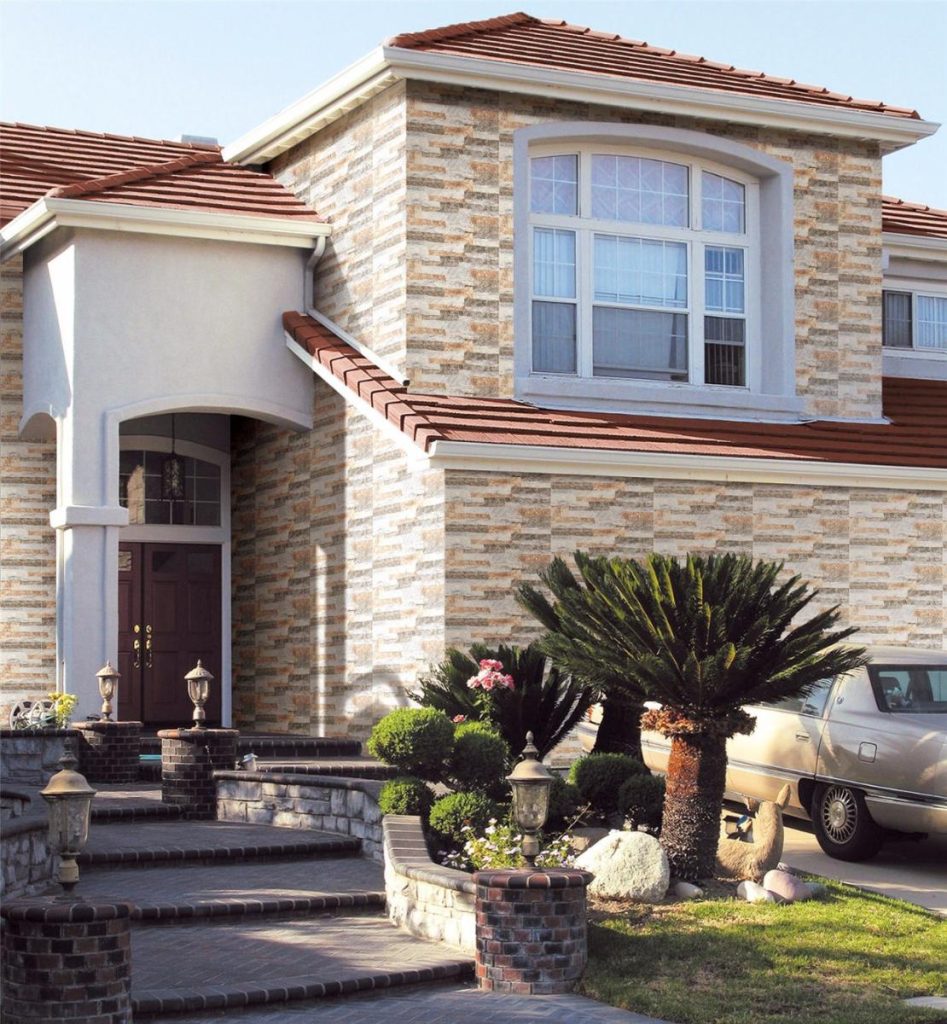
Designing a Sustainable and Cost-Effective Landscape
Water‑Efficient Plant Selection
Choosing native or drought‑tolerant species reduces irrigation needs and supports local ecosystems.
Consider mulch or permeable pavers to capture rainwater and improve drainage.
Smart Irrigation Systems
Modern controllers adjust watering based on weather data, saving up to 30% on water bills.
Sensors detect moisture levels, ensuring plants receive only what they need.
Low-Maintenance Hardscapes
Use durable materials like recycled rubber or stamped concrete to minimize upkeep.
Incorporate rain gardens or bioswales to manage stormwater naturally.
Integrating Technology
Smart lighting, motion sensors, and app-based maintenance tracking keep landscapes safe and efficient.
These features improve security and reduce labor costs.
Seasonal Design for Year-Round Appeal
Layered planting schemes ensure visual interest throughout the year.
Plan for winter foliage and spring blooms to maintain curb appeal.
Budgeting and Cost Analysis for Commercial Landscaping Projects
| Feature | Estimated Cost (USD) | Annual Maintenance |
|---|---|---|
| Site Preparation | 3,000 – 7,000 | 120 – 250 |
| Plant Installation (per sq ft) | 0.50 – 1.00 | 100 – 200 |
| Irrigation System | 5,000 – 10,000 | 300 – 600 |
| Hardscape (pavers, walkways) | 1,500 – 4,500 | 50 – 150 |
| Lighting & Sensors | 2,000 – 5,000 | 80 – 200 |
| Annual Maintenance Package | 1,200 – 3,000 | — |
These figures are averages and can vary based on location, plant choice, and system complexity. Always ask for a written quote covering all phases of the project.
Maintenance Strategies to Extend Landscape Lifespan
Regular Inspection and Pruning
Schedule quarterly visits to trim overgrown branches and relocate plants if needed.
Pruning improves air circulation and reduces disease risk.
Seasonal Mulching and Soil Amendments
Apply mulch annually to lock moisture and suppress weeds.
Test soil pH and nutrient levels every two years to maintain plant health.
Irrigation System Checks
Inspect for leaks and clogs every six months.
Adjust schedules according to seasonal rainfall patterns.
Stormwater Management
Clean rain barrels or bioswales after heavy rain events.
Verify that drainage paths remain clear to prevent water damage.
Professional Reviews
Engage a landscaper for a mid‑project audit. They can suggest plant swaps or system upgrades that boost efficiency.
Over time, these adjustments keep costs predictable and curb appeal high.
Expert Pro Tips for Maximizing ROI with Commercial Landscaping
- Leverage local government incentives for green infrastructure—many cities offer rebates for rain gardens or permeable pavements.
- Incorporate branding elements—use plant colors or signage that reflect your company’s identity.
- Create a “welcome garden” at entrances to give visitors a memorable first impression.
- Use motion‑activated lighting to reduce energy use while enhancing safety.
- Schedule maintenance during off‑peak hours to avoid disrupting business operations.
- Document all plantings and irrigation dates—this data helps future contractors plan efficiently.
- Invest in a high‑quality lawn aerator to improve turf health and reduce fertilization costs.
- Plan for the long term—select plants that mature into a steady, low‑maintenance landscape.
Frequently Asked Questions about commercial landscaping near me
What is the typical turnaround time for a commercial landscaping project?
Most projects take 4–8 weeks from design to completion, depending on site complexity.
How much should I budget for a commercial landscaping project?
Expect $25,000–$75,000 for a medium‑sized office building, but costs vary widely with scope.
Do I need a permit for landscaping changes?
Large hardscape or structural changes often require permits. Your contractor can handle the paperwork.
Can I choose my own plants or trees?
Yes, but ensure they are climate‑appropriate and meet local regulations.
What maintenance level is typical for a commercial landscape?
Monthly seasonal pruning, quarterly irrigation checks, and annual soil testing are common practices.
Will landscaping increase property value?
Absolutely—well‑designed, maintained landscapes can add 5–15% to property value.
How do I find a reputable commercial landscaper near me?
Search local listings, ask for referrals, and review past projects and testimonials.
Is it worth investing in smart irrigation systems?
Yes—initial costs are offset by savings on water bills and labor over time.
What are the legal requirements for commercial landscaping?
Compliance includes fire safety clearances, ADA access pathways, and environmental regulations.
Can landscaping improve employee productivity?
Studies link green spaces to reduced stress and higher focus among staff.
By thoughtfully integrating professional landscaping, you transform your commercial property into a vibrant, inviting environment that attracts customers, retains employees, and elevates brand reputation. Whether you’re revamping a storefront, redesigning a corporate courtyard, or simply looking for a “commercial landscaping near me” partner, the right approach can yield lasting benefits—both aesthetic and financial.
Ready to elevate your property’s curb appeal? Contact a trusted landscaper today and turn your outdoor space into a competitive advantage.

