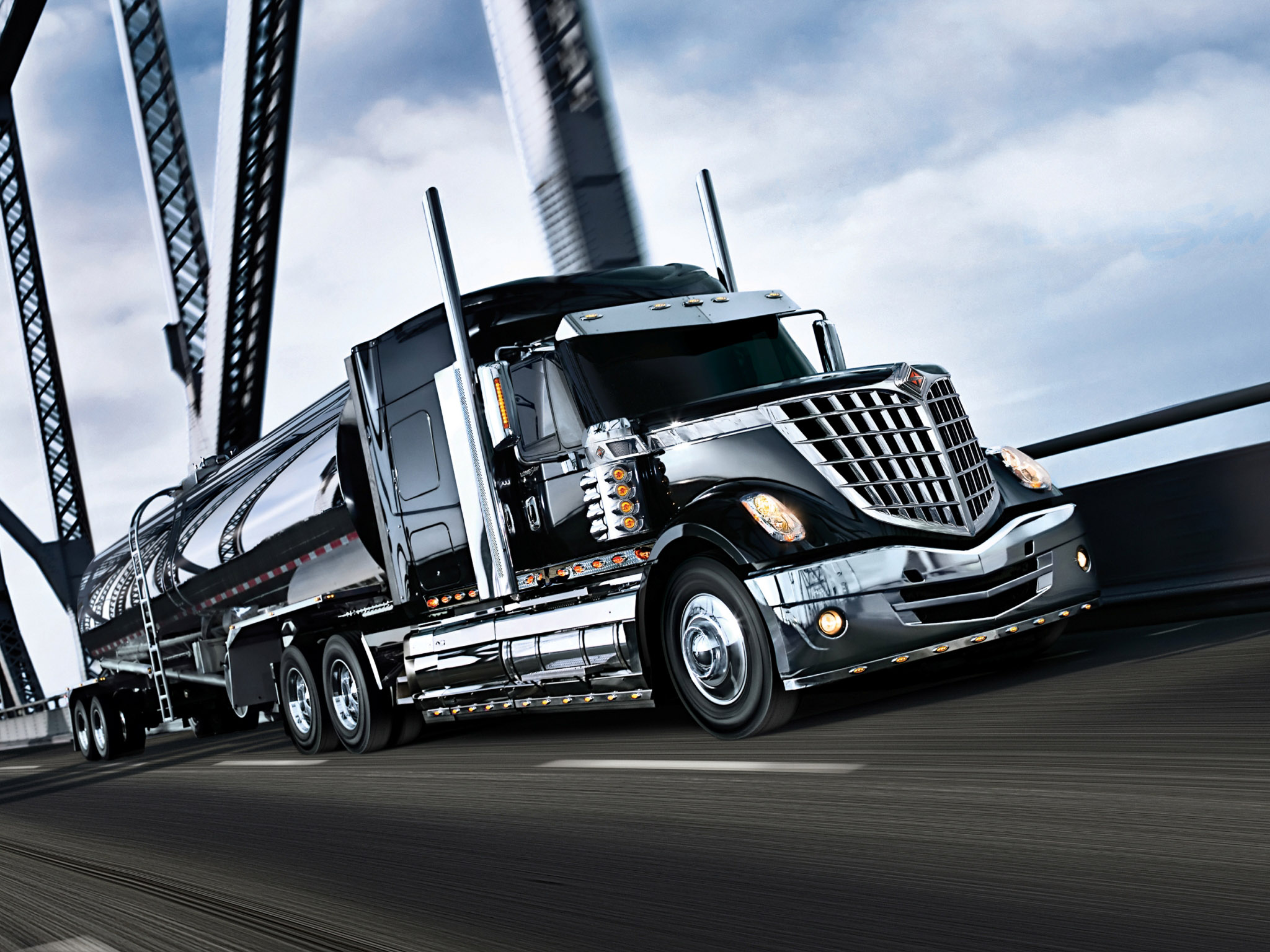
Driving a semi truck on long hauls demands flawless steering and tire wear. Even a slight misalignment can lead to expensive tire replacements, dangerous handling, and costly downtime. If you’re searching for “semi truck alignment near me,” you’re probably tired of uneven tire wear or a truck that pulls hard to one side.
In this guide, you’ll discover how to spot the best local service centers, understand alignment science, and ask the right questions before you book an appointment. By the end, you’ll know exactly what to look for and how to protect your fleet’s performance.
Why Semi Truck Alignment Is Critical for Your Fleet
Safety First: Handling and Braking
A correctly aligned semi truck steers predictably and brakes efficiently. Misalignment can increase stopping distance by up to 10 %. That’s a huge risk on highways.
Fuel Efficiency Gains
Studies show that a 1‑degree wheel misalignment can increase fuel consumption by 1 %. Over a week, this adds up to significant operating costs.
Long‑Term Tire Health
Tires wear unevenly when angles are off. A 2‑degree misalignment can reduce tread life by 30 %. Aligning saves money and keeps your fleet on the road.
How to Identify a Reliable Alignment Service Near You
Check for Certified Technicians
Look for certification from the National Institute for Automotive Service Excellence (ASE) or the Wheel Alignment Institute (WAI). Certified pros use calibrated equipment and up-to-date methods.
Ask About the Equipment
Modern alignment shops use laser or digital systems. These tools deliver precision within 0.01 degrees, far better than older analog setups.
Read Local Reviews and Testimonials
Platforms like Google, Yelp, and FleetOwner provide real customer feedback. Pay attention to comments about turnaround time and post‑service support.
Step‑by‑Step: What Happens During a Semi Truck Alignment
Initial Inspection
Technicians examine tires, suspension components, and steering geometry. They note any wear patterns or damage.
Data Collection
Using laser sensors, the tech captures wheel angles—camber, toe, and caster—while the truck is on a platform.
Adjustment and Re‑check
Suspension components are adjusted, and the truck is lifted again to confirm alignment. The final readout is compared to manufacturer specs.
Documentation and Follow‑up
Reputable shops provide a digital report, which includes before‑and‑after readings and maintenance recommendations.

Comparing Alignment Services: Table of Key Factors
| Feature | Local DIY Shops | Certified Alignment Centers | Mobile Alignment Services |
|---|---|---|---|
| Equipment Accuracy | ±0.1° | ±0.01° | ±0.05° |
| Turnaround Time | 2 hours | 4 hours | 3–5 hours |
| Warranty | None | 6 months | 3 months |
| Cost (per truck) | $75 | $200 | $150 |
| Expertise | General mechanic | ASE/WAI certified | Mobile technician |
Pro Tips for Maintaining Proper Alignment
- Schedule Quarterly Checks—Even a well‑aligned truck can shift over time.
- Inspect Tires After Heavy Loads—Overloading strains suspension and can alter angles.
- Use Quality Tires—Low‑grade tires are more susceptible to uneven wear.
- Keep Suspension Clean—Dust and debris can impede component movement.
- Educate Drivers—Report any steering drift or vibration immediately.
Frequently Asked Questions about semi truck alignment near me
What does “semi truck alignment near me” really mean?
It refers to locating a local service provider that can adjust the wheel angles of a tractor‑trailer to manufacturer specifications.
How often should I get an alignment?
Every 6,000 to 8,000 miles, or after any suspension repair, is recommended.
Will an alignment fix a pulling truck?
Often, yes. Pulling indicates a wheel angle issue or uneven tire wear that alignment corrects.
Do I need to replace tires before alignment?
Not always, but if tires are worn unevenly, replacement may be necessary for best results.
Can a mobile service do a proper alignment?
Yes, if the technician uses calibrated laser equipment and follows manufacturer guidelines.
Is there a difference between caster, camber, and toe?
Yes—caster affects steering stability, camber affects tire contact, and toe controls steering direction.
What if my truck has a custom suspension?
Custom setups require specialized tools; ensure the shop’s tech has experience with your suspension type.
Are there savings for fleet contracts?
Many shops offer discounted rates or bundled services for multi‑truck fleets.
Can I send my truck to a distant shop for a better price?
Transporting a truck for alignment is costly; local services usually provide a better cost‑benefit ratio.
How do I know if my alignment was successful?
Ask for a readout report. Compare the before and after angles to the manufacturer’s specifications.
Proper wheel alignment is a cornerstone of safe, efficient, and cost‑effective trucking. By choosing a certified local service and following routine checkups, you protect your fleet’s longevity and reduce hidden expenses.
Ready to find a trusted “semi truck alignment near me”? Call your local certified shop today, bring your truck in for a quick check, and drive with confidence knowing every wheel is perfectly aligned.

